
Attar is a traditional fragrance made from natural fragrance, which is made by the process of Deg-Bhapka. Attar (perfume) means any natural fragrance (flowers, herbs, spices, aromatic plants and any other source of natural fragrance) is made by distilling it on base oil (sandalwood/natural oil) through Deg and Bhapka. This is a special process, in which distillation and blending happen simultaneously, which is not found in any other country in the world. The best quality fragrance that is close to nature is obtained in the fragrance made by this process, which is not possible by any other method.
Key Features of Traditional Attar:
-
Alcohol-Free: Unlike many modern perfumes that use alcohol as a base, attar is completely alcohol-free. This makes it a preferred choice for people who seek natural or organic products, as well as for those who follow religious or cultural practices that avoid alcohol.
-
Essential Oils: Attars are made from the steam-distilled oils of flowers, herbs, spices, and other botanicals. Common ingredients include rose, jasmine, sandalwood, oud (agarwood), saffron, and various other aromatic plants. The ingredients vary depending on the region and the tradition.
-
Natural Process: The traditional method of creating attars involves distilling the plant materials in water, often using brass or copper vessels. The process is slow and requires great skill to preserve the purity and essence of the ingredients. It can take hours or even days to produce small batches of attar.
-
Longevity: Due to the richness of the oils, attars tend to last much longer on the skin compared to alcohol-based perfumes. The fragrance evolves over time, with top notes fading into the deeper, woody or musky base notes, which gives the scent a more natural and layered feel.
-
Cultural Significance: In many cultures, especially in India, attar is more than just a fragrance; it’s a part of rituals, tradition, and even spirituality. Some attars are considered sacred and are used during prayer or meditation.
-
Luxury and Craftsmanship: The production of attar is often a family business passed down through generations. The craftsmanship and expertise required to make high-quality attar is highly respected, and some rare attars can be incredibly expensive due to the cost of raw materials and the time-consuming process.
Types of Attar:
-
Raat Rani: A fragrant night-blooming flower, often used to create sweet, floral attars.
-
Oudh (Agarwood): Known for its deep, woody, and sometimes smoky aroma, oud is one of the most prized ingredients in attar production.
-
Musk: Derived from the glandular secretions of animals in ancient times (though now typically synthesized or obtained from plants), musk has a sensual, earthy fragrance.
-
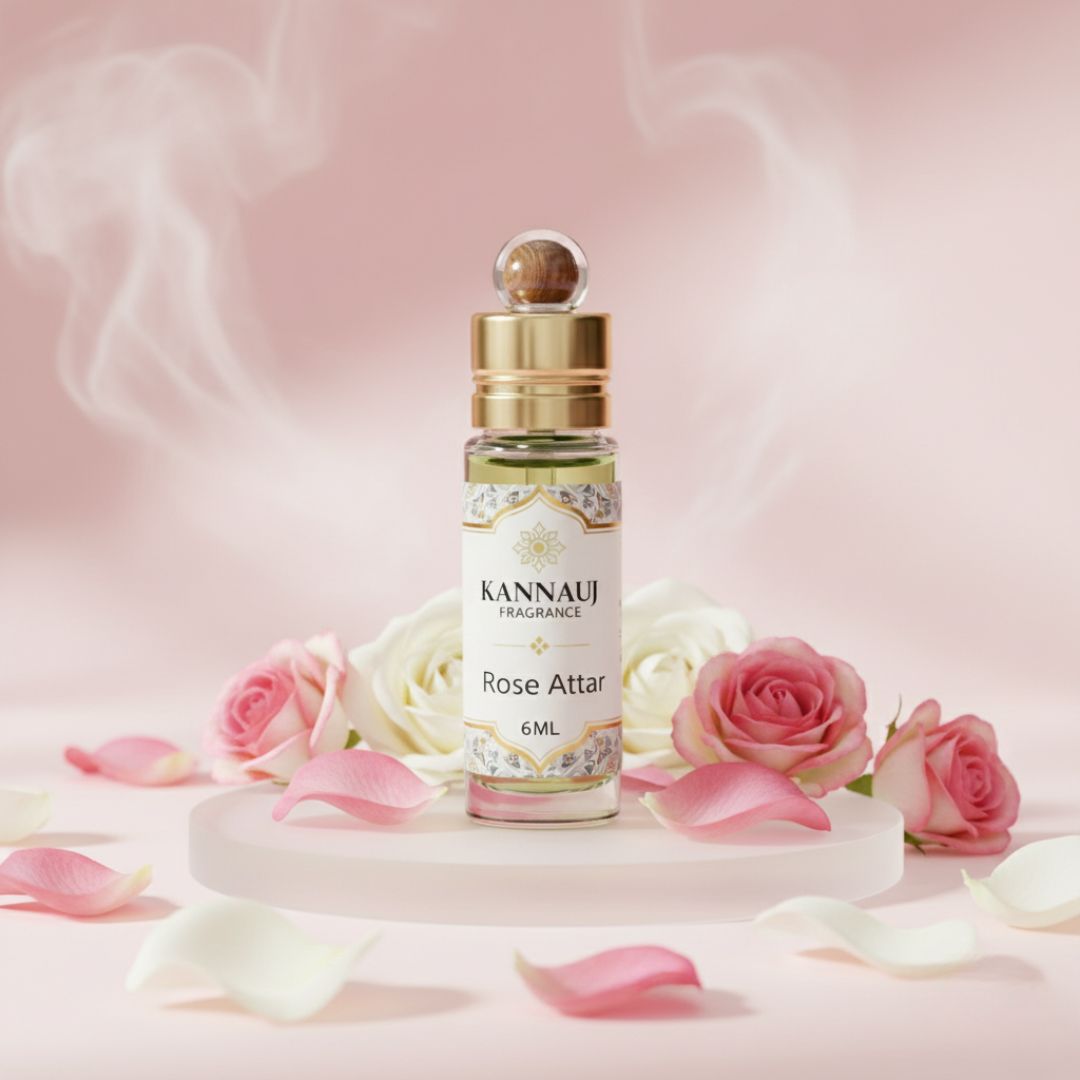
Rose: Rose attars, made from fresh rose petals, are beloved for their sweet, delicate, and romantic fragrance.


-
Sandalwood: Sandalwood attar is rich, creamy, and woody, often used as a base note in many traditional attars.


How Attar is Used:
-
Personal Fragrance: The most common use for attar is as a personal scent, applied directly to the skin, particularly on pulse points like the wrists, neck, and behind the ears.
-
Spiritual Practices: In many parts of the world, attars are used in religious or spiritual ceremonies to enhance meditation, prayer, or to purify the space.
-
Gifting: Attar is often considered a luxurious and thoughtful gift, given its deep cultural significance and the personal touch involved in its creation.