

Where a centuries-old attar tradition still perfumes the air
Tucked along the banks of the Ganges in Uttar Pradesh, Kannauj is a small, unassuming city that carries an outsized legacy: it is India's — and arguably the world's — oldest living perfume hub. Long before Grasse in southern France rose to fame as Europe's fragrance capital, Kannauj's artisans were already distilling flowers, roots, and even monsoon-soaked earth into liquid scent using little more than copper pots, bamboo pipes, and fire.
A Fragrance History Older Than Empires
Kannauj's romance with scent goes back over a thousand years. Legend holds that King Harshavardhan was so struck by the city's aromatic reputation that he renamed it Kusumpura, "the city of flowers," cementing its identity as a perfume hub. Some accounts push the roots of this trade even earlier, tracing Kannauj's fragrant commerce along ancient trade routes to well before the Common Era.
It was under the Mughals, however, that Kannauj's perfumers reached the height of their craft. Emperor Akbar's court was famous for its extravagance, and he is said to have run an elaborate "house of fragrance" where artisans experimented with flowers, spices, and rare woods. His son Jahangir went further, dedicating an entire department to the trade and production of attar. Mughal empress Nur Jahan is woven into local legend too, credited with helping inspire the region's famed rose attar. It was also during this era that perfumers began distilling mitti attar — a fragrance that mimics the smell of the first rain hitting dry earth, and one of Kannauj's most distinctive contributions to world perfumery.
Degh-Bhapka: The Art of Distilling Without Machines
What makes Kannauj remarkable isn't just its history — it's that the same low-tech, hands-on process used centuries ago is still the industry standard today. Known locally as degh-bhapka, the artisanal method relies on copper stills heated over wood and cow-dung fires, a far cry from the steel, steam, and solvent extraction used in modern perfumeries elsewhere in the world.
The process, in essence:
- Loading the still (degh): Flower petals, sandalwood shavings, roots, or grasses are packed into a large copper cauldron with water.
- Slow-firing: The degh is sealed and heated gently over an open flame, coaxing fragrant vapor upward.
- Condensing (bhapka): Vapor travels through a bamboo pipe into a receiving vessel — traditionally submerged in a cooling water trough — where it condenses back into liquid, infusing a base of sandalwood oil.
- Decanting and aging: The attar is separated from residual water and left to mature, sometimes for months, deepening and rounding out its character.
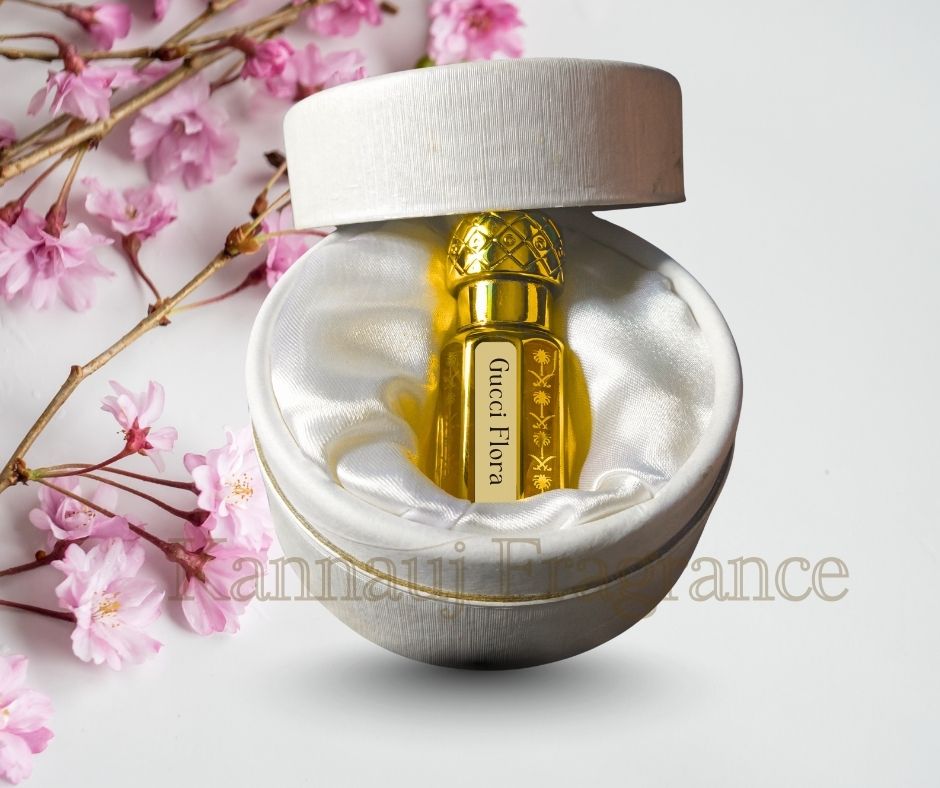
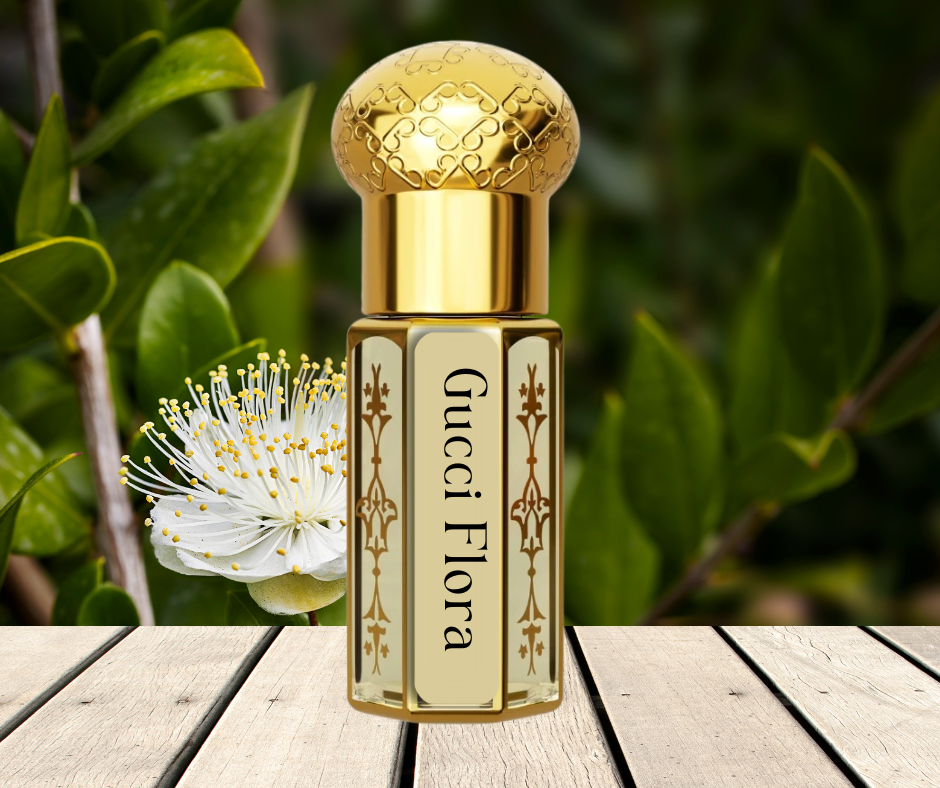
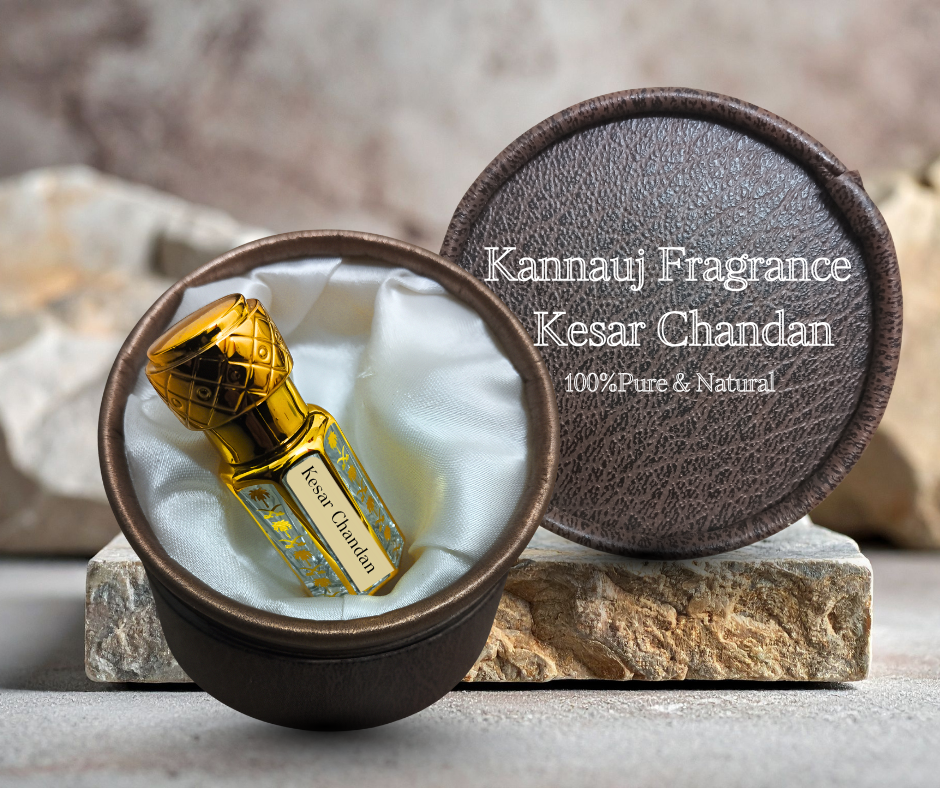
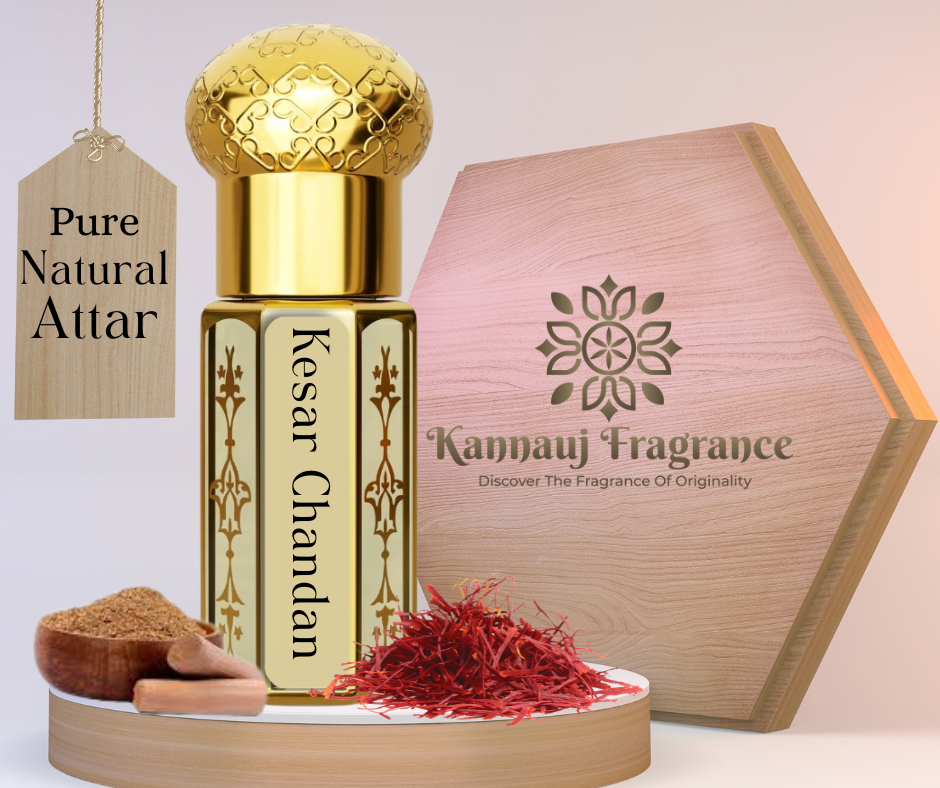
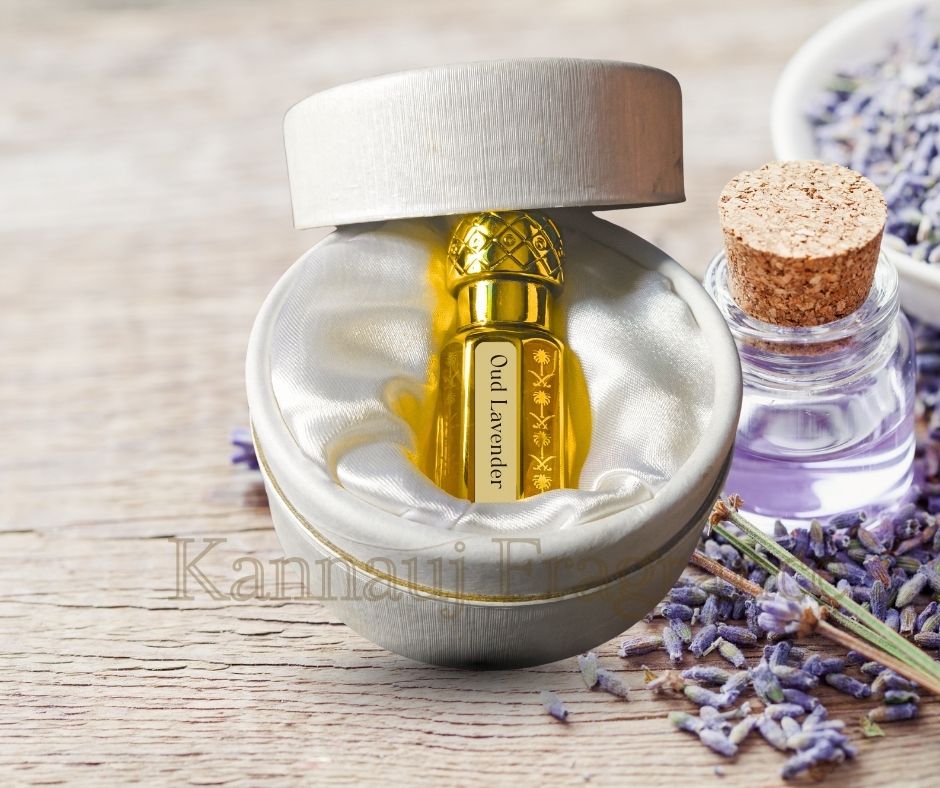
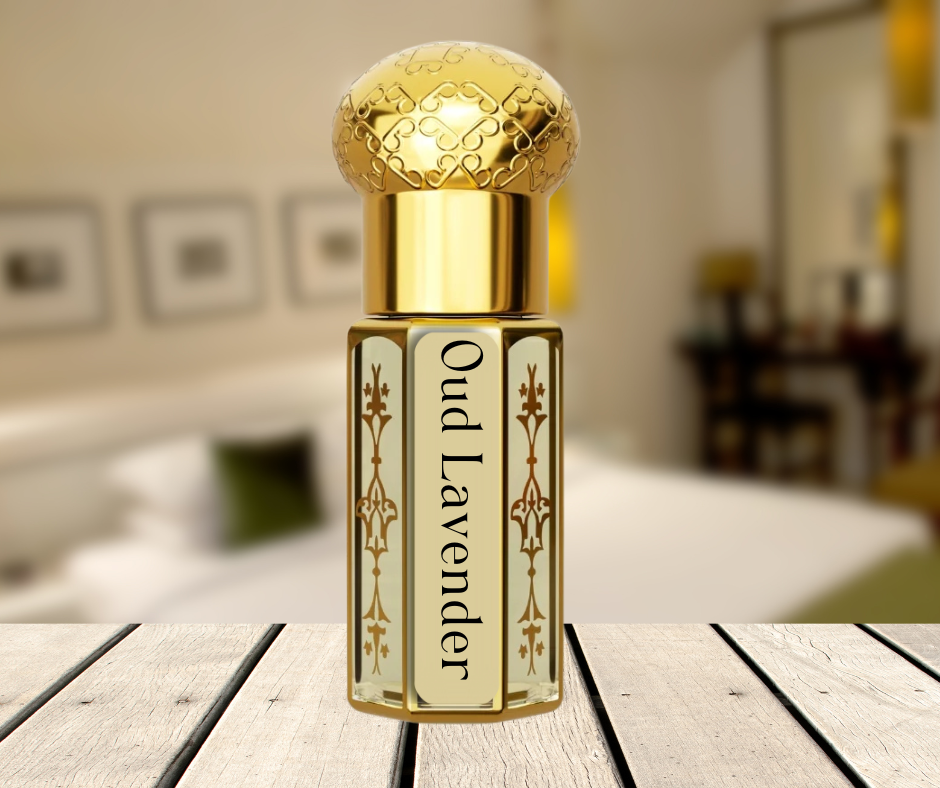
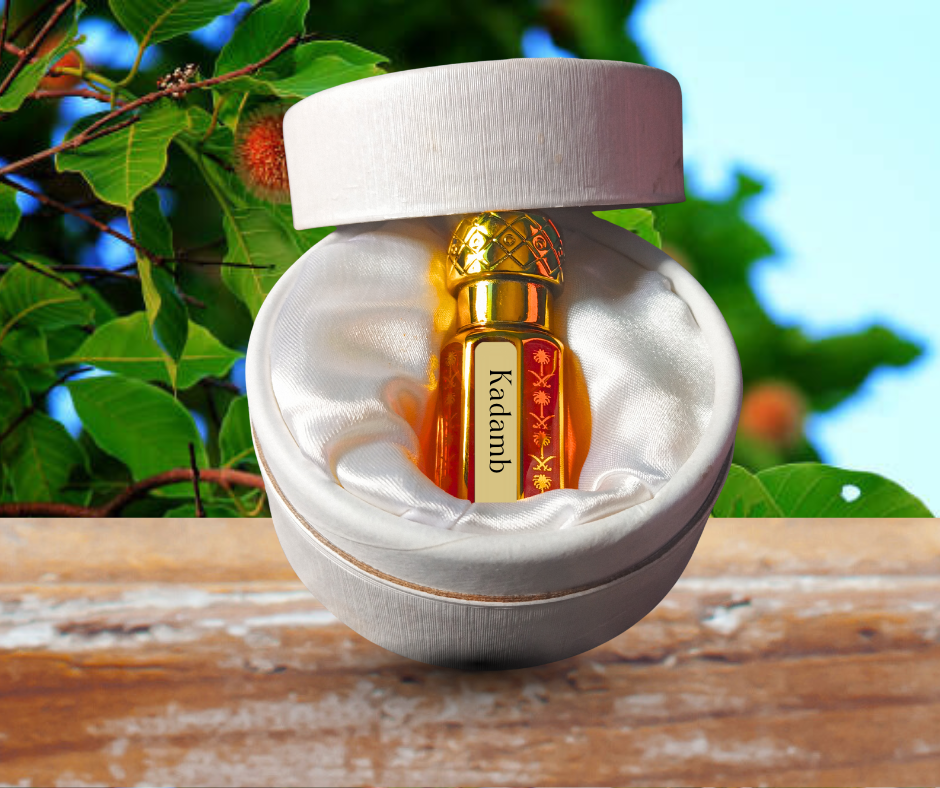
Unlike Western perfumes, attar contains no alcohol. It is oil-based, worn as a dab rather than a spray, and prized for lingering close to the skin rather than filling a room. Rose (gulab), vetiver (khus), and screwpine (kewra) remain among the most sought-after classics alongside mitti attar.
Wandering Bara Bazaar
To actually experience this world, visitors head to Bara Bazaar, Kannauj's old perfume market. Its narrow lanes feel almost medieval, lined with long-standing shops crammed with finely cut glass bottles of attar and ruh (pure essential oil), each more fragrant than the last. Inside, perfumers sit cross-legged on cushioned floor mats, sampling vials and dabbing long cotton swabs behind their ears to test a scent's evolution over hours — attar, unlike alcohol-based perfume, changes character slowly as it warms against skin.
Beyond the bazaar, a handful of working distilleries and the government-run Fragrance & Flavour Development Centre (FFDC) offer a closer look at the degh-bhapka process, including its small museum on the region's perfume heritage.
A Living Industry, and Its Modern Struggles
Kannauj's perfume trade isn't just heritage tourism — it's a genuine economic engine. The cluster is home to roughly 375 functional units, generating an estimated turnover of around ₹400 crore, with about a fifth of that from exports, and supporting close to 100,000 jobs directly and indirectly. India as a whole commands a meaningful share of the global flavor and fragrance market and remains the largest exporter of attar, shipping it to dozens of countries.
Kannauj attar received a Geographical Indication (GI) tag in 2014, legally protecting the name the way Champagne or Darjeeling tea are protected — meaning only attar genuinely produced here using traditional methods can carry it. Yet the tag hasn't been the economic turning point many hoped for. Producers say the initial excitement around exports faded, with business largely continuing as it had before the certification, and experts point to underused marketing and modernization of manufacturing as part of the gap between the industry's potential and its results. Rising costs of genuine Mysore sandalwood oil — traditionally the base for attar — have added further pressure on small distillers trying to keep the craft affordable and authentic.
Even so, global interest in natural, botanical fragrances is giving Kannauj new relevance. A wave of younger entrepreneurs and boutique fragrance brands are working to package the city's ancient craft for modern buyers — both in India and abroad — betting that the same qualities that drew Mughal emperors will draw today's perfume enthusiasts too.
Visiting Kannauj
- Getting there: Kannauj sits roughly midway between Kanpur and Lucknow in Uttar Pradesh, both well connected by rail and air; the town itself is best reached by train or road from either city.
- Best time to go: Winter (November–February) is the most pleasant season for wandering the bazaar and distilleries.
- What to do: Walk Bara Bazaar for attar shopping, visit a working distillery to watch degh-bhapka in action, and stop by the FFDC's museum for context on the craft's history and science.
- What to bring home: Small glass vials of rose, mitti, or vetiver attar — genuine ones will often carry GI-tag labeling or come from a shop willing to explain their sourcing and process in detail.
Where a centuries-old attar tradition still perfumes the air
Tucked along the banks of the Ganges in Uttar Pradesh, Kannauj is a small, unassuming city that carries an outsized legacy: it is India's — and arguably the world's — oldest living perfume hub. Long before Grasse in southern France rose to fame as Europe's fragrance capital, Kannauj's artisans were already distilling flowers, roots, and even monsoon-soaked earth into liquid scent using little more than copper pots, bamboo pipes, and fire.
A Fragrance History Older Than Empires
Kannauj's romance with scent goes back over a thousand years. Legend holds that King Harshavardhan was so struck by the city's aromatic reputation that he renamed it Kusumpura, "the city of flowers," cementing its identity as a perfume hub. Some accounts push the roots of this trade even earlier, tracing Kannauj's fragrant commerce along ancient trade routes to well before the Common Era.
It was under the Mughals, however, that Kannauj's perfumers reached the height of their craft. Emperor Akbar's court was famous for its extravagance, and he is said to have run an elaborate "house of fragrance" where artisans experimented with flowers, spices, and rare woods. His son Jahangir went further, dedicating an entire department to the trade and production of attar. Mughal empress Nur Jahan is woven into local legend too, credited with helping inspire the region's famed rose attar. It was also during this era that perfumers began distilling mitti attar — a fragrance that mimics the smell of the first rain hitting dry earth, and one of Kannauj's most distinctive contributions to world perfumery.
Degh-Bhapka: The Art of Distilling Without Machines
What makes Kannauj remarkable isn't just its history — it's that the same low-tech, hands-on process used centuries ago is still the industry standard today. Known locally as degh-bhapka, the artisanal method relies on copper stills heated over wood and cow-dung fires, a far cry from the steel, steam, and solvent extraction used in modern perfumeries elsewhere in the world.
The process, in essence:
- Loading the still (degh): Flower petals, sandalwood shavings, roots, or grasses are packed into a large copper cauldron with water.
- Slow-firing: The degh is sealed and heated gently over an open flame, coaxing fragrant vapor upward.
- Condensing (bhapka): Vapor travels through a bamboo pipe into a receiving vessel — traditionally submerged in a cooling water trough — where it condenses back into liquid, infusing a base of sandalwood oil.
- Decanting and aging: The attar is separated from residual water and left to mature, sometimes for months, deepening and rounding out its character.
Unlike Western perfumes, attar contains no alcohol. It is oil-based, worn as a dab rather than a spray, and prized for lingering close to the skin rather than filling a room. Rose (gulab), vetiver (khus), and screwpine (kewra) remain among the most sought-after classics alongside mitti attar.
Wandering Bara Bazaar
To actually experience this world, visitors head to Bara Bazaar, Kannauj's old perfume market. Its narrow lanes feel almost medieval, lined with long-standing shops crammed with finely cut glass bottles of attar and ruh (pure essential oil), each more fragrant than the last. Inside, perfumers sit cross-legged on cushioned floor mats, sampling vials and dabbing long cotton swabs behind their ears to test a scent's evolution over hours — attar, unlike alcohol-based perfume, changes character slowly as it warms against skin.
Beyond the bazaar, a handful of working distilleries and the government-run Fragrance & Flavour Development Centre (FFDC) offer a closer look at the degh-bhapka process, including its small museum on the region's perfume heritage.
A Living Industry, and Its Modern Struggles
Kannauj's perfume trade isn't just heritage tourism — it's a genuine economic engine. The cluster is home to roughly 375 functional units, generating an estimated turnover of around ₹400 crore, with about a fifth of that from exports, and supporting close to 100,000 jobs directly and indirectly. India as a whole commands a meaningful share of the global flavor and fragrance market and remains the largest exporter of attar, shipping it to dozens of countries.
Kannauj attar received a Geographical Indication (GI) tag in 2014, legally protecting the name the way Champagne or Darjeeling tea are protected — meaning only attar genuinely produced here using traditional methods can carry it. Yet the tag hasn't been the economic turning point many hoped for. Producers say the initial excitement around exports faded, with business largely continuing as it had before the certification, and experts point to underused marketing and modernization of manufacturing as part of the gap between the industry's potential and its results. Rising costs of genuine Mysore sandalwood oil — traditionally the base for attar — have added further pressure on small distillers trying to keep the craft affordable and authentic.
Even so, global interest in natural, botanical fragrances is giving Kannauj new relevance. A wave of younger entrepreneurs and boutique fragrance brands are working to package the city's ancient craft for modern buyers — both in India and abroad — betting that the same qualities that drew Mughal emperors will draw today's perfume enthusiasts too.
Visiting Kannauj
- Getting there: Kannauj sits roughly midway between Kanpur and Lucknow in Uttar Pradesh, both well connected by rail and air; the town itself is best reached by train or road from either city.
- Best time to go: Winter (November–February) is the most pleasant season for wandering the bazaar and distilleries.
- What to do: Walk Bara Bazaar for attar shopping, visit a working distillery to watch degh-bhapka in action, and stop by the FFDC's museum for context on the craft's history and science.
- What to bring home: Small glass vials of rose, mitti, or vetiver attar — genuine ones will often carry GI-tag labeling or come from a shop willing to explain their sourcing and process in detail.
Kannauj may no longer dominate headlines the way it once dominated Mughal courts, but in its quiet lanes, the same fires still burn beneath the same copper stills — turning flowers, earth, and time into scent, exactly as they have for a thousand years.
may no longer dominate headlines the way it once dominated Mughal courts, but in its quiet lanes, the same fires still burn beneath the same copper stills — turning flowers, earth, and time into scent, exactly as they have for a thousand years.