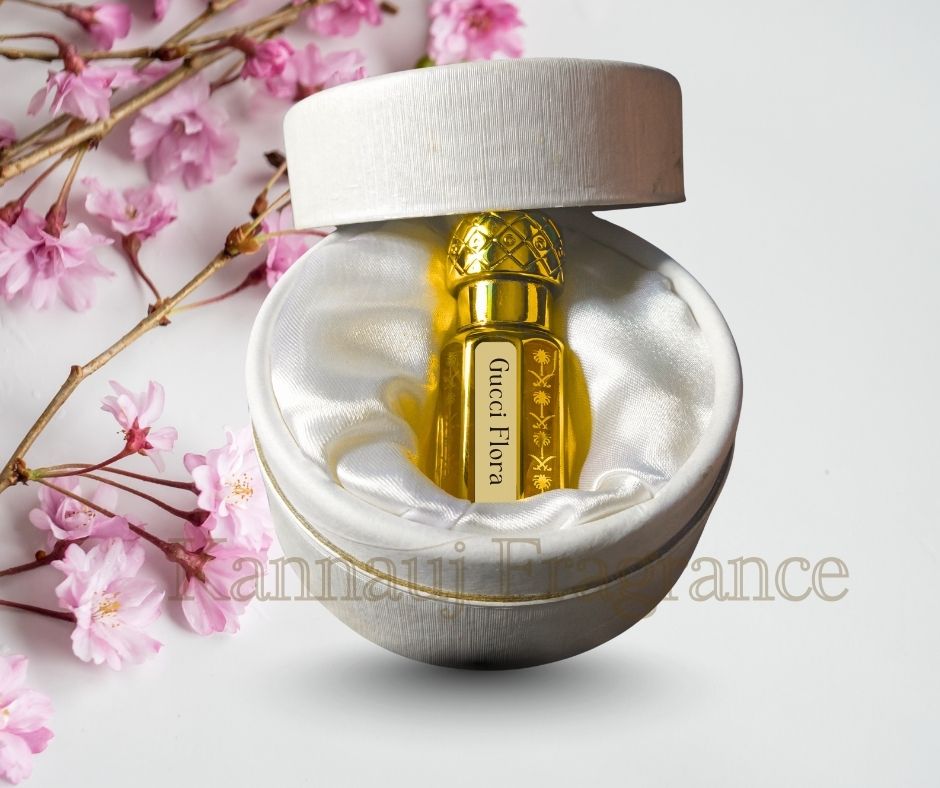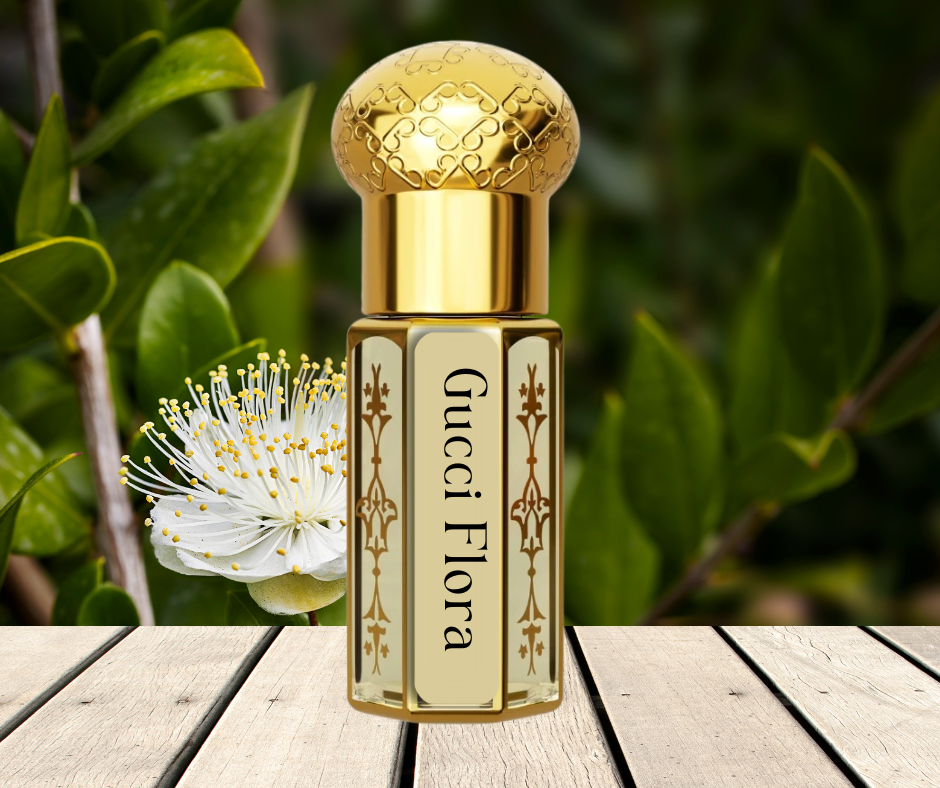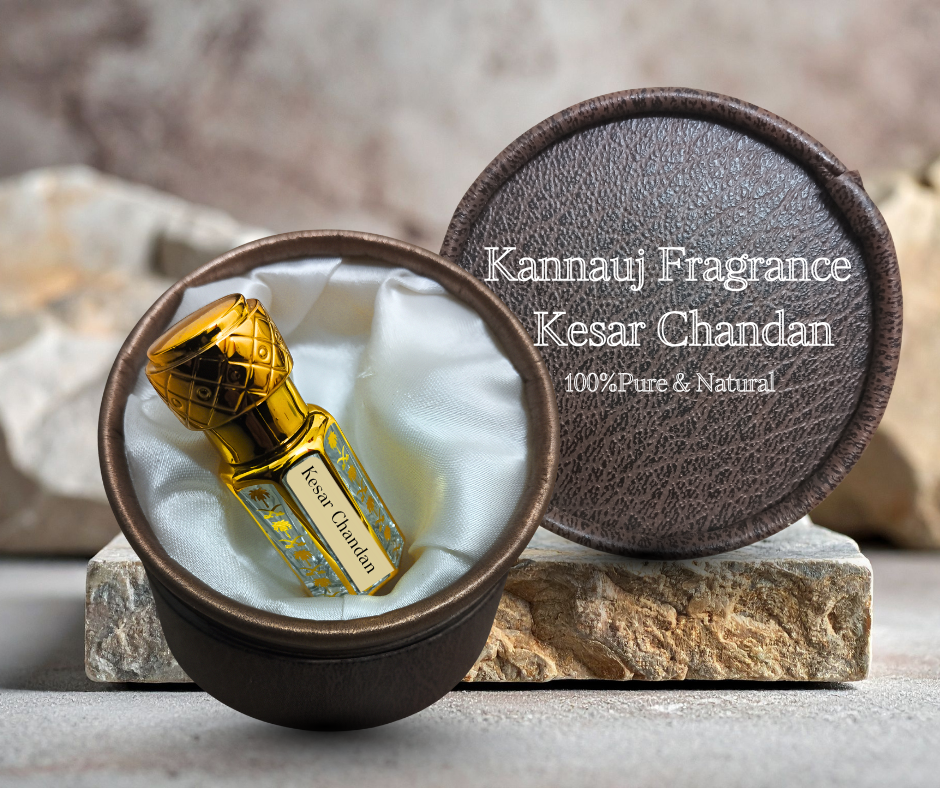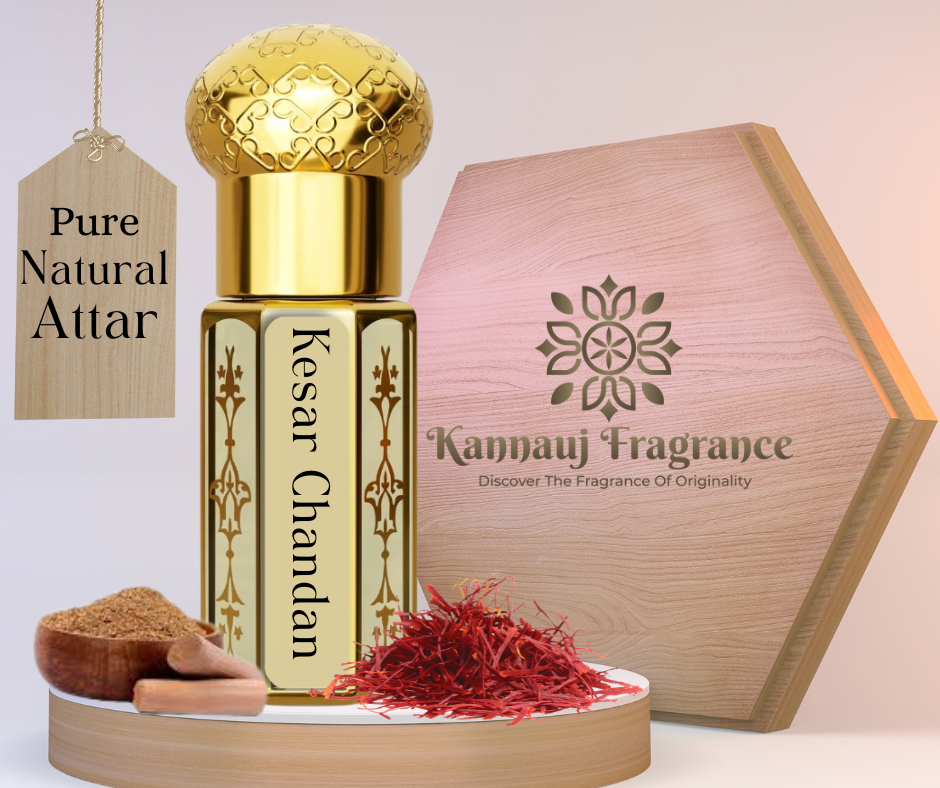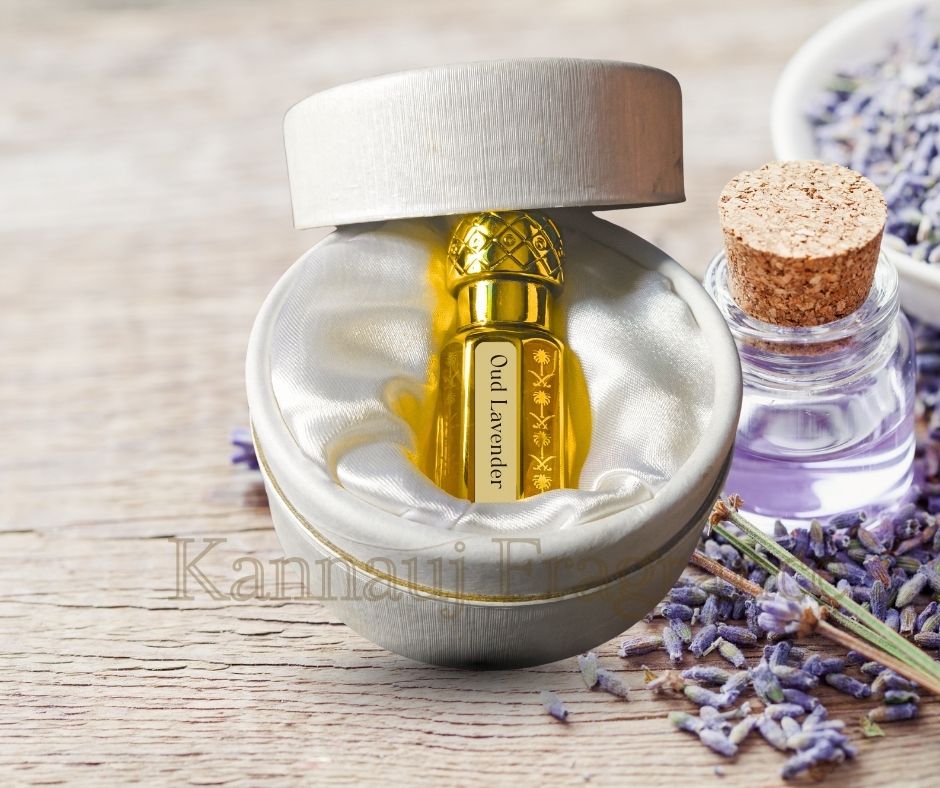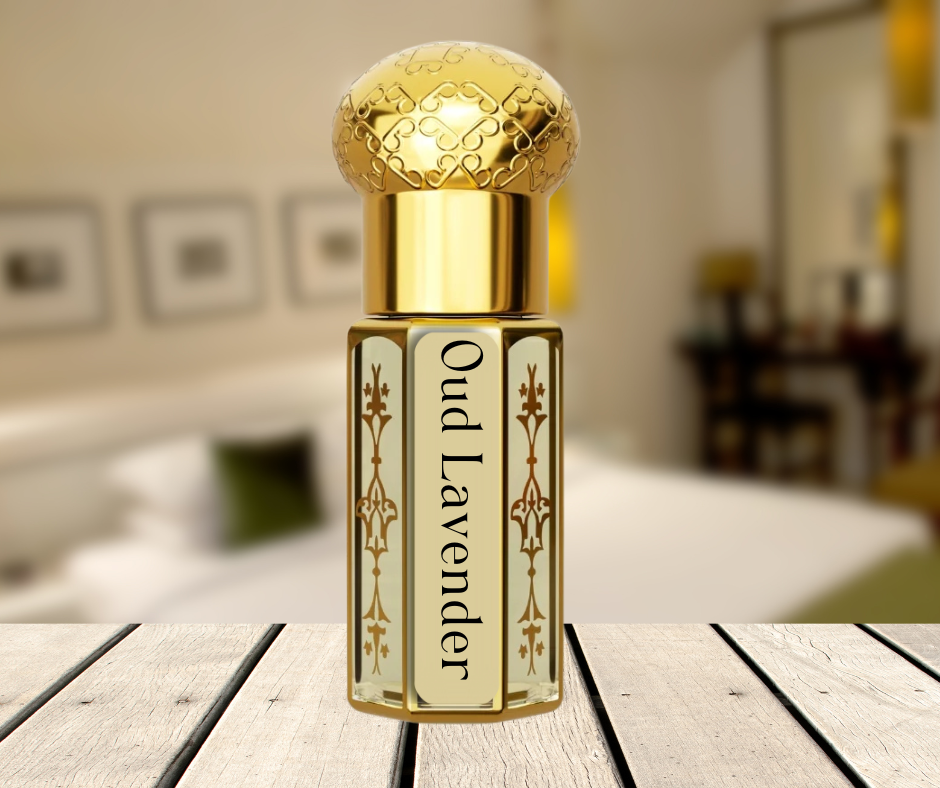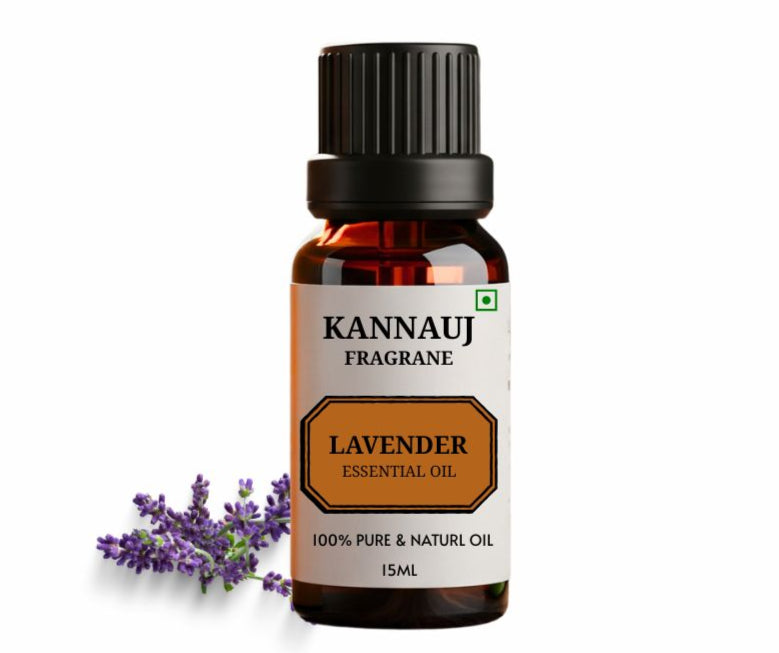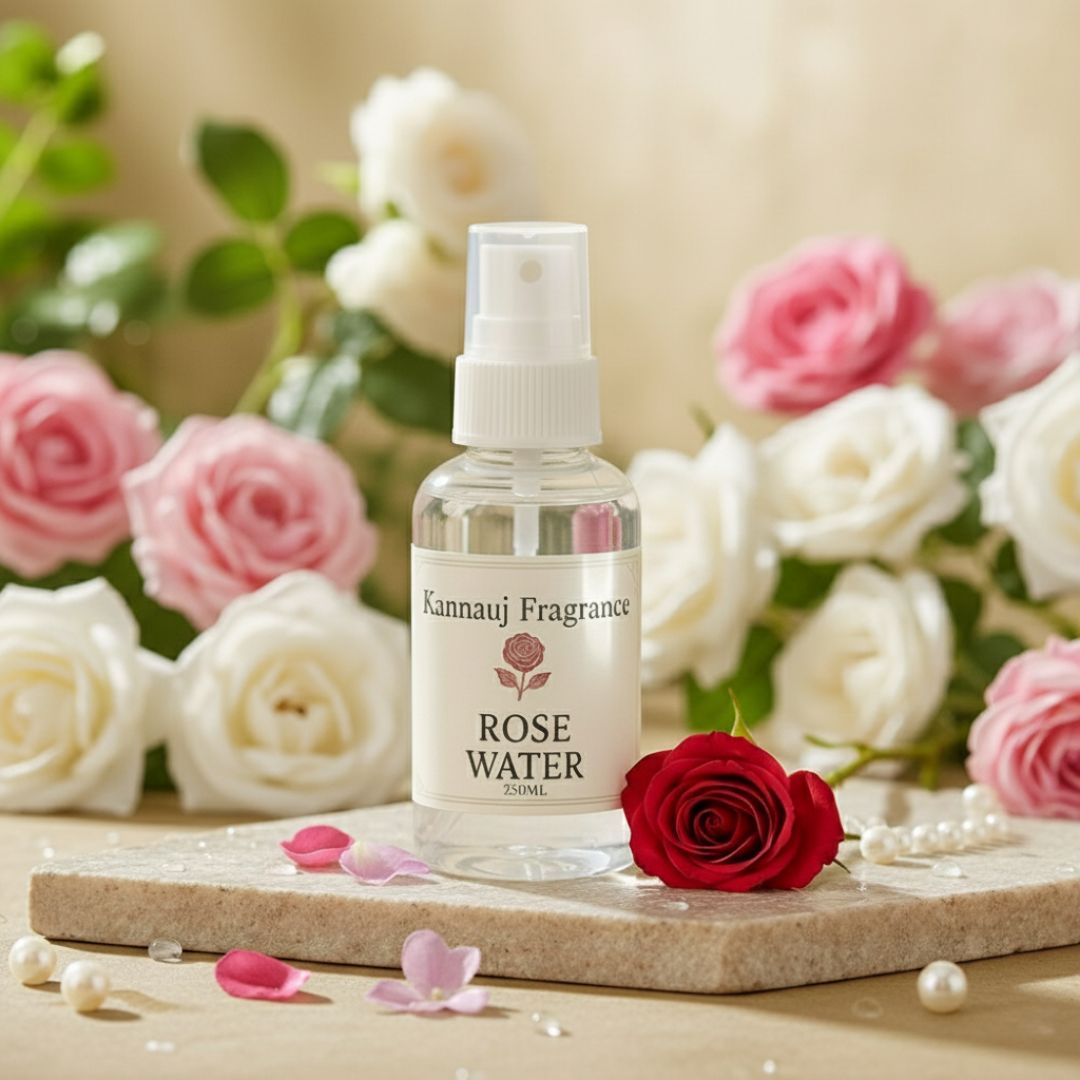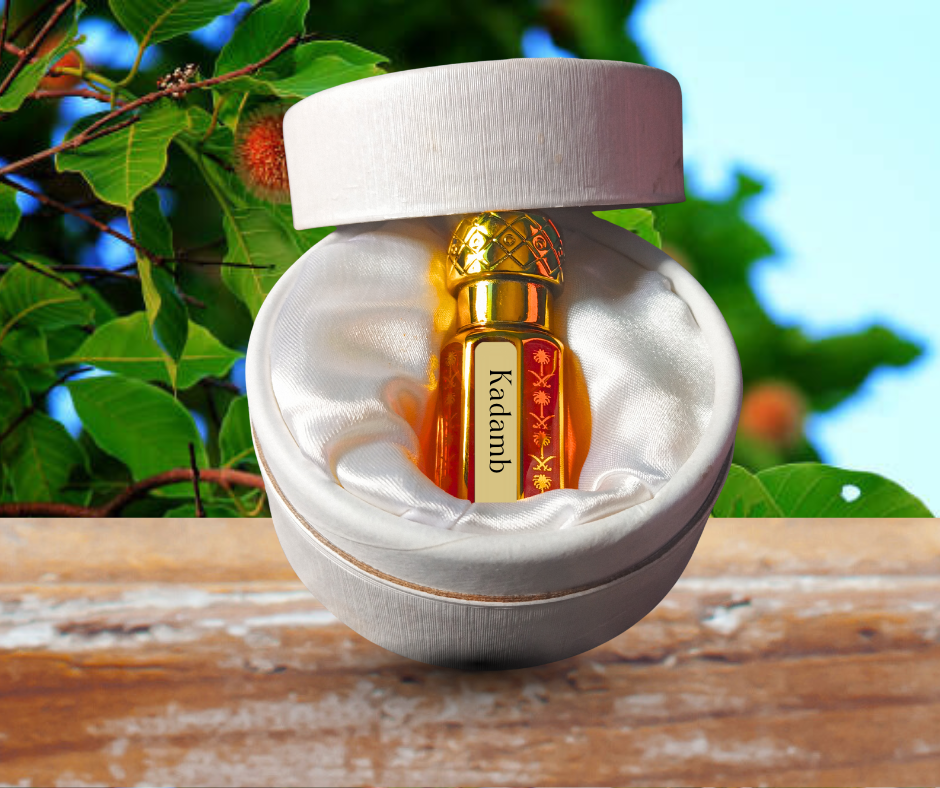
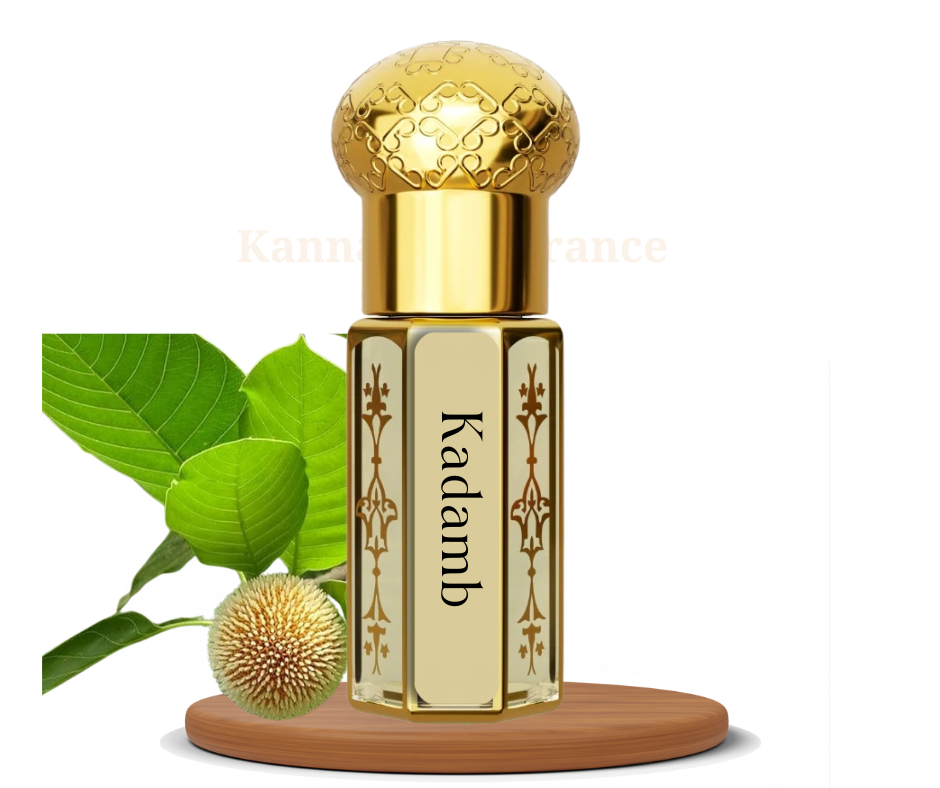


There is a small town on the banks of the Ganga where the air itself seems to carry memory. Walk through its narrow lanes at dawn, and you will catch it — a whisper of sandalwood, a trace of rose, a warm note of earth after rain. This is Kannauj, Uttar Pradesh — a name that has, for over four centuries, been synonymous with one word: attar. To the world, it is simply known as the Perfume Capital of India.
This is not just our origin story. It is the story of a craft that refused to fade, even as the world around it changed.
A Fragrance Fit for Emperors
Long before the word "perfume" entered Indian vocabulary, Kannauj was already perfecting the art of capturing scent in oil. Historical records trace this tradition back to the Mughal era, when emperors and empresses demanded fragrances that could match the grandeur of their courts. It is said that royal weddings, durbars, and even battle preparations were accompanied by attars — scents believed to calm the mind, awaken the senses, and reflect one's status and taste.
Legends speak of Empress Noor Jahan discovering the art of ittar-e-gulab by observing rose petals leave an oily residue in bathwater warmed under the sun — an accidental discovery that would go on to shape an entire industry. Whether myth or memory, it captures something true: attar was never manufactured. It was discovered, refined, and honored.
The Soul of Kannauj: Deg-Bhapka, the Art That Time Could Not Replace
While the world moved toward alcohol-based perfumes and synthetic compounds, Kannauj held firmly to something more honest — the Deg-Bhapka distillation method, a process so delicate it cannot be rushed by machines.
Here is how the magic unfolds, exactly as it has for generations:
- Fresh flowers, aromatic woods, herbs, or spices are placed inside a large copper deg (still), filled with water.
- The deg is sealed with clay and heated slowly over an open wood fire — a fire tended by hand, not a thermostat.
- As the water heats, fragrant vapors rise and travel through a long bamboo pipe called a chonga into a receiving vessel — the bhapka — which holds a base of pure sandalwood oil.
- Over hours, sometimes days, the vapors condense drop by drop into the oil, slowly transferring the true soul of the raw material.
- The result is not a "fragrance product." It is a living record of fire, patience, water, and time.
No shortcuts. No synthetic shortcuts pretending to be nature. Just an unbroken chain of knowledge, passed from father to son, master to apprentice, for over 400 years.
From the Royal Court to Your Everyday Elegance
What once perfumed the courts of kings now rests gently on your wrist. Kannauj Fragrance was born from a simple belief: that this extraordinary heritage should not remain locked away in history books — it should be worn, felt, and passed forward.
Every bottle we create is a quiet act of preservation:
✅ Authentic Craftsmanship — Genuine Deg-Bhapka distillation, done by artisan families who have practiced this art for generations
✅ 100% Natural Purity — No alcohol, no synthetic fillers, just nature captured in oil
✅ Rare, Time-Honored Ingredients — Sandalwood, oudh, rose, saffron, and herbs sourced with care
✅ A Scent That Evolves — Unlike alcohol perfumes that fade in hours, our attars unfold slowly on your skin, revealing new layers as the day passes
✅ Sustaining a Living Heritage — Every purchase supports the artisan families of Kannauj who keep this dying art alive
Why This Legacy Matters Today
In a world of mass production and identical mall-shelf fragrances, there is something deeply luxurious about wearing a scent that cannot be rushed, cannot be copied by a machine, and cannot be separated from the hands that made it. A Kannauj attar is not manufactured — it is earned, drop by patient drop.
When you wear Kannauj Fragrance, you carry with you the same air that once moved through Mughal durbars, the same craft that perfumed royal weddings, and the same quiet devotion of artisans who have chosen tradition over shortcuts, generation after generation.
This is not just fragrance. This is history, bottled with reverence — from ancient royalty to modern luxury, one drop at a time.